Why travel with us
Every detail handled, from the moment you land to your flight home.
Trusted & verified
Hand-picked suppliers, secure payments, fast replies.
Transparent pricing
Every inclusion and exclusion up front. No hidden fees.
24/7 support
Local team on the ground. Phone, email, or WhatsApp.
Anywhere in Egypt
Cairo, Luxor, the Red Sea, or a Nile cruise.
Great value hotels
Well-priced stays in Egypt's best destinations.


Affordable packages
All-inclusive trips at honest prices — flights, hotel, and transfers included.




Top experiences
Unmissable tours, guides and moments — at honest prices.


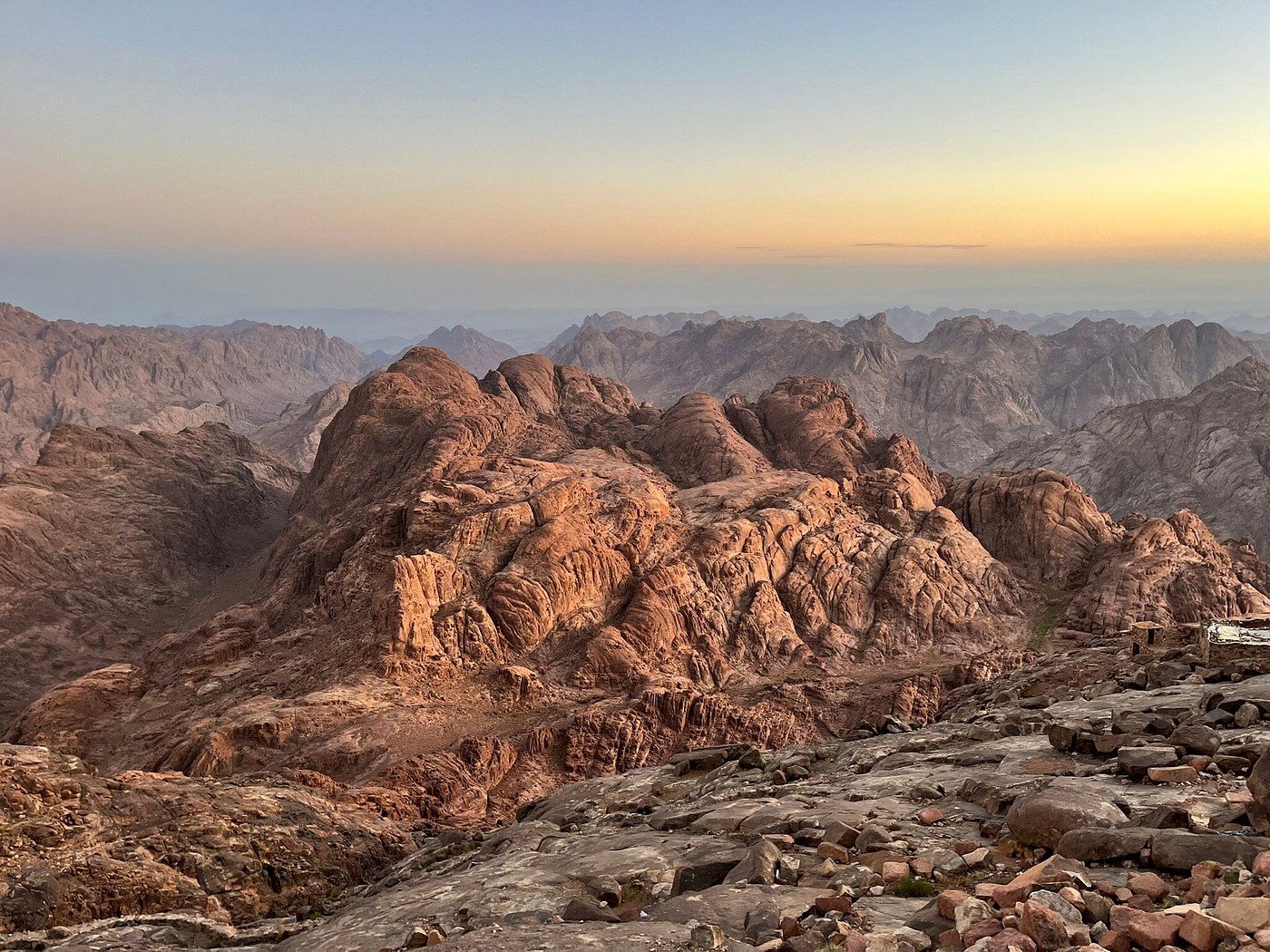
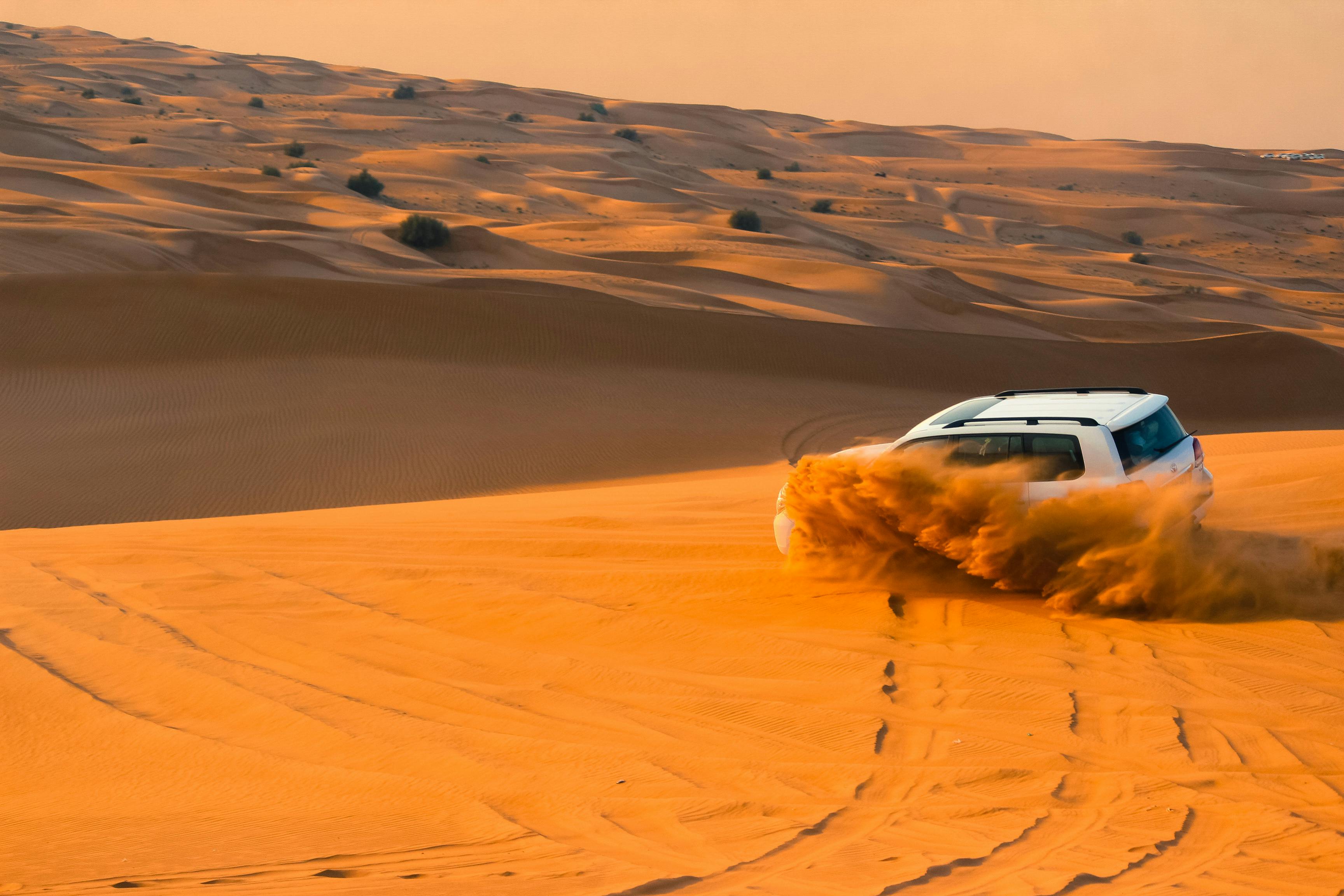

Popular destinations
Where would you like to wake up tomorrow?



Most visitors need a visa to enter Egypt. The easiest options:
- E-visa (recommended) — apply online at visa2egypt.gov.eg at least 7 days before travel. Single-entry from $30 USD; multiple-entry from $65 USD. Valid for stays up to 3 months. [citation:1][citation:18]
- Visa on arrival — available at approved kiosks in the arrival hall. Around $25–36 USD, payable in cash (US dollars, GBP, or card at Cairo's self-service kiosks). Valid for 30 days. [citation:18][citation:10]
- Free Sinai stamp — if you fly directly to Sharm El-Sheikh, Dahab, Nuweiba or Taba and stay only in South Sinai for up to 15 days, you get a free entry stamp. You cannot leave the Sinai region on this stamp. [citation:18]
Passport rule: valid for at least 6 months from your arrival date. [citation:1][citation:10]
Tip: Print your e-visa — a phone screenshot may not be accepted. Also carry hotel booking confirmations; occasionally requested. [citation:1]
Best for sightseeing: October – April. Mild, sunny days (20–28°C), perfect for the Pyramids, Luxor temples, Nile cruises. December–January are coolest but also busiest. [citation:19]
Best for Red Sea beaches: May – September. Warm sea, crystal-clear water, ideal for Hurghada, Sharm El-Sheikh and Marsa Alam diving. Inland cities get very hot (40°C+). [citation:19]
Shoulder months (fewer crowds): March – April and October – November. Pleasant weather and lower prices. [citation:19]
Heads up: Late March and early April can bring khamsin sandstorms — reduced visibility and air quality for a day or two. [citation:3][citation:19]
Festivals: Abu Simbel Sun Festival (22 Feb and 22 Oct) — the sun illuminates the inner chamber of Ramses II's temple. [citation:3]
Cultural dress code: Egypt is conservative — cover shoulders and knees, especially at religious sites. Loose, breathable cotton or linen keeps you cool and respectful. [citation:9]
- Women: long skirts, light trousers, long-sleeved blouses. Bring a scarf to cover your head at mosques. [citation:9]
- Men: T-shirts, collared shirts, trousers or long shorts. Avoid sleeveless tops. [citation:9]
- Beach resorts: shorts and tank tops are fine — looser dress applies outside resorts and in cities. [citation:4]
Packing essentials: Sun hat, sunglasses, high-SPF sunscreen, refillable water bottle, portable charger, comfortable walking shoes, and wet wipes (many public bathrooms have no toilet paper). [citation:17]
Seasonal layers: desert evenings can be cold (down to ~7°C in winter). Pack a jumper or light jacket even in spring/autumn. [citation:9]
Currency: Egyptian Pound (EGP). US dollars and major cards are widely accepted at hotels and large shops, but souks, taxis, and tips need EGP. [citation:8]
Tipping (baksheesh): Expected and part of daily life. Carry small bills — 10% of the bill for restaurants, small amounts for hotel staff, restroom attendants, and guides. Cash only. [citation:4]
ATMs: Widely available in cities; withdraw EGP. Cards accepted at major monuments now (Giza, Egyptian Museum, Luxor sites), so keep a debit/credit card on you. [citation:8]
Bargaining: Normal at souks and tourist markets. Start around half the asking price. Fixed prices apply in modern shops and restaurants. [citation:4]
Ride-hailing apps (best option): Uber, Careem, inDrive and Bolt are widely used, cheaper than street taxis, and lock in the price before you ride. Use them in Cairo and Alexandria. [citation:8]
Street taxis: Insist the meter is on. For women travelling alone, sit in the back seat. [citation:14]
Cairo Metro: Cheap, efficient, English signage. Runs ~5:15 AM to 12:15–12:40 AM. Women-only cars at the front of each train. [citation:4][citation:16]
Tuk-tuks: Great for short trips in Cairo's narrow streets. Agree the price before you get in. [citation:4]
Between cities: Flights are the safest option for long distances. Trains run but infrastructure is older. Avoid driving yourself — road rules are rarely followed and many vehicles are uninsured. [citation:14]
Mosques: Remove your shoes before entering. Women should cover hair, shoulders and knees. Dress modestly at all religious sites. [citation:4]
Greetings: A handshake is normal between men. Wait for a woman to offer her hand first. Say “As-salaam alaikum” (peace be upon you) — the reply is “Wa alaikum as-salaam”. [citation:7]
Photography: Ask permission before photographing people. Some sites prohibit photography inside tombs (Valley of the Kings). Never photograph military or police buildings. [citation:11]
Ramadan: During the holy month, avoid eating, drinking or smoking in public during daylight. Many restaurants close; some open for tourists in hotels. [citation:3]
Public affection: Keep it modest — Egypt is a conservative society. [citation:11]
Tap water: Do not drink it. Stick to sealed bottled water, even for brushing teeth. [citation:13]
Vaccines (UK travellers): Hepatitis A and Typhoid recommended for all. Hepatitis B for some. Rabies for longer stays or rural travel. Malaria tablets not needed for standard tourist routes. Book a travel health appointment 6–8 weeks before departure. [citation:13]
Scams to avoid: Ignore unsolicited “gifts” or “free” camel rides around the Pyramids. Agree prices in advance for horse carriages, boats and taxis. Only use licensed guides and reputable dive/boat operators. [citation:2][citation:11]
Emergency numbers: Police 122 · Tourist Police 126 · Ambulance 123. Save them before you go. [citation:6]
Travel insurance: Essential. Consider medical evacuation cover — treatment for serious incidents may not be available locally. [citation:5]
English is widely spoken in tourist areas, but a few Arabic phrases go a long way:
- Hello — Ahlan wa sahlan
- Good morning — Sabaah il-kheir
- Good evening — Masaa' il-kheir
- Thank you — Shukran
- Please — Min fadlak (to a man) / Min fadlik (to a woman)
- Yes / No — Aywa / La'
- How much? — Bikam?
- Where is…? — Fein…?
[citation:7]
Ready when you are
Tell us what you're dreaming of. We'll price it, plan it, and handle every detail.
Request a custom quote