Nile Cruise · Royal Queen II Nile Cruise · Standard Room-Pool Garden View
Sail the legendary Nile between Luxor and Aswan aboard a premium cruise ship. Discover the temples of Karnak and Luxor, the tombs of the Valley of the Kings, the twin sanctuaries of Kom Ombo and Edfu, and the beautiful island temple of Philae. Evenings are spent on deck with sunset views, Egyptian cuisine, and traditional entertainment. All meals, guided excursions, and transfers included.
Arrival in Luxor
Meet-and-greet at Luxor Airport, transfer to your cruise ship, welcome drink, and dinner on board. Evening at leisure.
Luxor East Bank
Visit Karnak Temple and Luxor Temple with your Egyptologist guide. Lunch and dinner on board.
Luxor West Bank
Cross to the West Bank: Valley of the Kings, Temple of Hatshepsut, and the Colossi of Memnon. Sail to Esna overnight.
Edfu & Kom Ombo
Sail to Edfu, visit the Temple of Horus. Continue to Kom Ombo for the twin temple of Sobek and Haroeris. Sail to Aswan overnight.
Aswan
Visit the High Dam, the Unfinished Obelisk, and the Temple of Philae. Optional Nubian village excursion in the afternoon.
Aswan → Kom Ombo → Edfu
Sail back north. Visit Kom Ombo and Edfu temples. Dinner and overnight on board.
Return to Luxor
Breakfast on board, disembarkation, transfer to Luxor Airport for your return flight.
- Return flights from the UK
- Airport transfers in Egypt
- 7 nights on board a 5-star Nile cruise ship
- Full board (breakfast, lunch, dinner)
- All guided excursions with Egyptologist
- Entrance fees to all listed sites
- English-speaking tour leader
- Personal expenses and souvenirs
- Tips and gratuities
- Travel insurance
- Optional excursions (Nubian village, Abu Simbel)
- Beverages outside of meal times
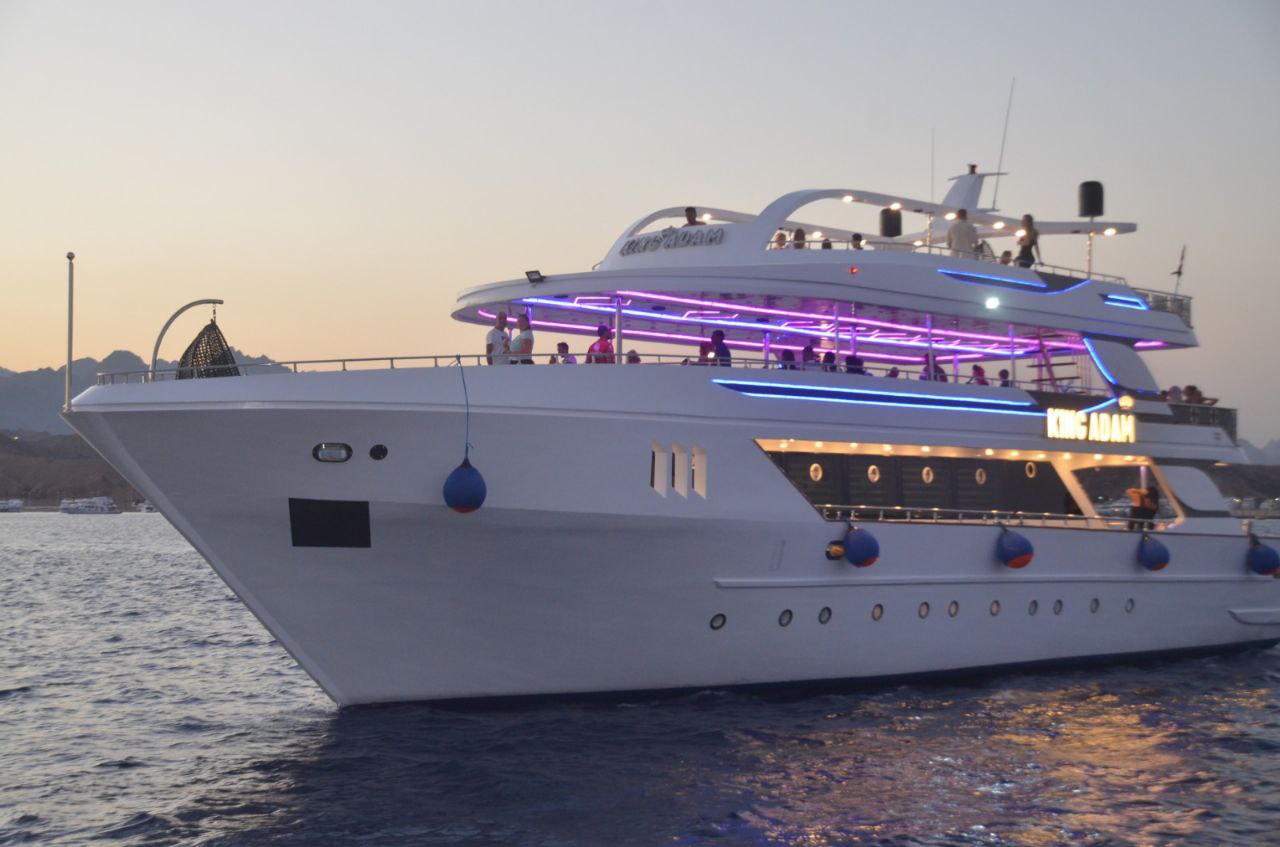
Royal Queen II Nile Cruise
Royal Queen II Nile Cruise is located in Nile Cruise. [Sample content — verify before publishing.]
Most visitors need a visa to enter Egypt. The easiest options:
- E-visa (recommended) — apply online at visa2egypt.gov.eg at least 7 days before travel. Single-entry from $30 USD; multiple-entry from $65 USD. Valid for stays up to 3 months. [citation:1][citation:18]
- Visa on arrival — available at approved kiosks in the arrival hall. Around $25–36 USD, payable in cash (US dollars, GBP, or card at Cairo's self-service kiosks). Valid for 30 days. [citation:18][citation:10]
- Free Sinai stamp — if you fly directly to Sharm El-Sheikh, Dahab, Nuweiba or Taba and stay only in South Sinai for up to 15 days, you get a free entry stamp. You cannot leave the Sinai region on this stamp. [citation:18]
Passport rule: valid for at least 6 months from your arrival date. [citation:1][citation:10]
Tip: Print your e-visa — a phone screenshot may not be accepted. Also carry hotel booking confirmations; occasionally requested. [citation:1]
Best for sightseeing: October – April. Mild, sunny days (20–28°C), perfect for the Pyramids, Luxor temples, Nile cruises. December–January are coolest but also busiest. [citation:19]
Best for Red Sea beaches: May – September. Warm sea, crystal-clear water, ideal for Hurghada, Sharm El-Sheikh and Marsa Alam diving. Inland cities get very hot (40°C+). [citation:19]
Shoulder months (fewer crowds): March – April and October – November. Pleasant weather and lower prices. [citation:19]
Heads up: Late March and early April can bring khamsin sandstorms — reduced visibility and air quality for a day or two. [citation:3][citation:19]
Festivals: Abu Simbel Sun Festival (22 Feb and 22 Oct) — the sun illuminates the inner chamber of Ramses II's temple. [citation:3]
Cultural dress code: Egypt is conservative — cover shoulders and knees, especially at religious sites. Loose, breathable cotton or linen keeps you cool and respectful. [citation:9]
- Women: long skirts, light trousers, long-sleeved blouses. Bring a scarf to cover your head at mosques. [citation:9]
- Men: T-shirts, collared shirts, trousers or long shorts. Avoid sleeveless tops. [citation:9]
- Beach resorts: shorts and tank tops are fine — looser dress applies outside resorts and in cities. [citation:4]
Packing essentials: Sun hat, sunglasses, high-SPF sunscreen, refillable water bottle, portable charger, comfortable walking shoes, and wet wipes (many public bathrooms have no toilet paper). [citation:17]
Seasonal layers: desert evenings can be cold (down to ~7°C in winter). Pack a jumper or light jacket even in spring/autumn. [citation:9]
Currency: Egyptian Pound (EGP). US dollars and major cards are widely accepted at hotels and large shops, but souks, taxis, and tips need EGP. [citation:8]
Tipping (baksheesh): Expected and part of daily life. Carry small bills — 10% of the bill for restaurants, small amounts for hotel staff, restroom attendants, and guides. Cash only. [citation:4]
ATMs: Widely available in cities; withdraw EGP. Cards accepted at major monuments now (Giza, Egyptian Museum, Luxor sites), so keep a debit/credit card on you. [citation:8]
Bargaining: Normal at souks and tourist markets. Start around half the asking price. Fixed prices apply in modern shops and restaurants. [citation:4]
Ride-hailing apps (best option): Uber, Careem, inDrive and Bolt are widely used, cheaper than street taxis, and lock in the price before you ride. Use them in Cairo and Alexandria. [citation:8]
Street taxis: Insist the meter is on. For women travelling alone, sit in the back seat. [citation:14]
Cairo Metro: Cheap, efficient, English signage. Runs ~5:15 AM to 12:15–12:40 AM. Women-only cars at the front of each train. [citation:4][citation:16]
Tuk-tuks: Great for short trips in Cairo's narrow streets. Agree the price before you get in. [citation:4]
Between cities: Flights are the safest option for long distances. Trains run but infrastructure is older. Avoid driving yourself — road rules are rarely followed and many vehicles are uninsured. [citation:14]
Mosques: Remove your shoes before entering. Women should cover hair, shoulders and knees. Dress modestly at all religious sites. [citation:4]
Greetings: A handshake is normal between men. Wait for a woman to offer her hand first. Say “As-salaam alaikum” (peace be upon you) — the reply is “Wa alaikum as-salaam”. [citation:7]
Photography: Ask permission before photographing people. Some sites prohibit photography inside tombs (Valley of the Kings). Never photograph military or police buildings. [citation:11]
Ramadan: During the holy month, avoid eating, drinking or smoking in public during daylight. Many restaurants close; some open for tourists in hotels. [citation:3]
Public affection: Keep it modest — Egypt is a conservative society. [citation:11]
Tap water: Do not drink it. Stick to sealed bottled water, even for brushing teeth. [citation:13]
Vaccines (UK travellers): Hepatitis A and Typhoid recommended for all. Hepatitis B for some. Rabies for longer stays or rural travel. Malaria tablets not needed for standard tourist routes. Book a travel health appointment 6–8 weeks before departure. [citation:13]
Scams to avoid: Ignore unsolicited “gifts” or “free” camel rides around the Pyramids. Agree prices in advance for horse carriages, boats and taxis. Only use licensed guides and reputable dive/boat operators. [citation:2][citation:11]
Emergency numbers: Police 122 · Tourist Police 126 · Ambulance 123. Save them before you go. [citation:6]
Travel insurance: Essential. Consider medical evacuation cover — treatment for serious incidents may not be available locally. [citation:5]
English is widely spoken in tourist areas, but a few Arabic phrases go a long way:
- Hello — Ahlan wa sahlan
- Good morning — Sabaah il-kheir
- Good evening — Masaa' il-kheir
- Thank you — Shukran
- Please — Min fadlak (to a man) / Min fadlik (to a woman)
- Yes / No — Aywa / La'
- How much? — Bikam?
- Where is…? — Fein…?
[citation:7]
- Bring a light jacket for early-morning temple excursions — the deck breeze can be cool.
- Motion sickness tablets are useful if you're sensitive — the Nile is calm but not always still.
- Tipping on Nile cruises is standard — typically £5-10 per person per day, pooled at the end.
- Book the upper-deck cabins for the best views — the difference in price is worth it.
No reviews yet. Be the first to share your experience.